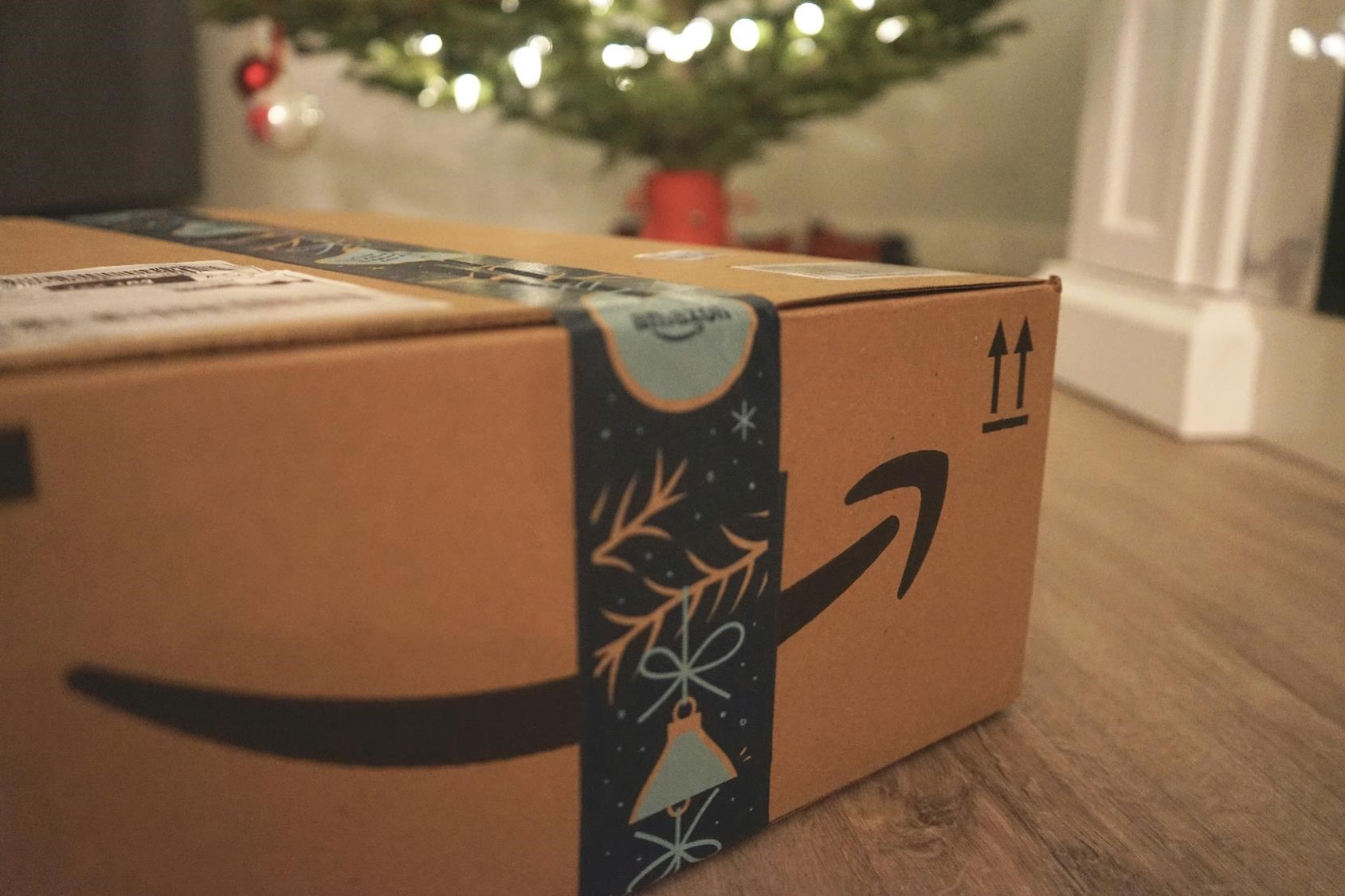

Amazon’s recently released 2024 Sustainability Report reveals a striking shift: the percentage of North American shipments containing single-use plastic packaging dropped from 65% in 2023 to just 37% in 2024.
That 28-point drop represents a major milestone in the ongoing battle against plastic pollution. It also reflects the growing influence of shareholders who are committed to sustained engagements over several years in shaping corporate sustainability practices.
At As You Sow, we began engaging Amazon on its plastic footprint in 2020. In 2021 and 2022, we filed shareholder proposals calling on the company to disclose the amount of plastic packaging it used and to develop a plan for reduction. The 2022 proposal received impressive near majority support, 49%, from shareholders. The following year, Amazon began publicly reporting on its plastic use and committed to phase out its plastic mailers. These popular resolutions had sent a clear message to Amazon’s leadership that investors viewed plastic pollution as a material business risk.
Asking for disclosure laid the groundwork for today’s progress. In its 2024 report, Amazon notes several changes for the dramatic reduction, including the complete elimination of plastic air pillows globally, replaced with recyclable paper filler. The company also reported that 56% of its fulfillment centers in North America no longer use plastic packaging at all.
In total, Amazon states it avoided the use of 15 billion plastic air pillows and 134 million plastic delivery bags. Globally, Amazon achieved a 16.4% reduction in single-use plastic packaging, cutting usage from 88,698 metric tons in 2023 to 74,137 metric tons in 2024.
Amazon’s sustainability report also highlighted its investments in packaging innovation, including machine upgrades to enable made-to-fit paper bags, and new paper-based alternatives to bubble mailers. Additionally, the company expanded its “Ships in Product Packaging” (SIPP) program, which allows eligible products to be shipped without any added Amazon packaging. In 2024, nearly 2 million additional products were certified under SIPP in North America and Europe.
These achievements represent an important step forward. But we believe Amazon can and must go further.
System-wide solutions
Amazon’s packaging progress has so far been focused on the exterior packing it uses to deliver goods. That’s an important piece of the puzzle, but it’s far from the whole picture. The next frontier is the packaging used for Amazon’s private-label products and for items sold through its Whole Foods Market subsidiary. This includes a wide array of food and beverage products, many of which are packaged in hard-to-recycle flexible plastic materials. Unlike competitors such as Walmart and Target, which have disclosed their total plastic packaging use and made reduction commitments, Amazon has not provided any data or goals related to this segment of its business.
This year, As You Sow filed a new shareholder resolution urging Amazon to address its use of flexible plastic packaging. These thin films, wraps, and pouches are among the most environmentally damaging forms of plastic because they are almost never recycled and are prone to leakage into the environment. The resolution specifically called on Amazon to assess the environmental impacts of its flexible packaging and to disclose plans for reduction.
Our concern is not just about disclosure. It’s about accountability. Without full transparency into its total plastic footprint—across all business units and product categories—we cannot accurately measure Amazon’s progress or hold it to the same standards as its peers.
We’re not alone in demanding action. Environmental organizations such as Oceana have run high-profile campaigns pressuring Amazon to reduce plastic use. Oceana released several reports estimating the volume of plastic used in Amazon shipments and conducted polling to show that a majority of Amazon customers support a switch to plastic-free delivery options. Taken together, these shareholder and public pressure campaigns helped build momentum for change.
Yet questions remain. Is Amazon’s shift to paper-based packaging more expensive, or more efficient? The company has not disclosed cost impacts, but third-party analysis suggests paper fillers and mailers can be cost-competitive, especially when scaled. More importantly, they offer far greater recyclability and will not contribute to ocean plastic pollution.
Looking ahead, comprehensive leadership will require Amazon to adopt time-bound, company-wide targets for reducing plastic use. That includes not only its own brands and Whole Foods, but also setting stronger sustainability expectations for third-party sellers. While Amazon sometimes argues that sellers operate independently, the company wields tremendous influence over packaging standards and could easily incentivize lower-impact options.
Leadership will also mean investing in system-wide solutions, including reusable and refillable packaging models, and far greater funding for improved recycling and waste management infrastructure globally. These steps won’t be easy, but with Amazon’s scale and resources, they are possible.
The 28-point drop in plastic-packaged shipments is indeed cause for celebration. It proves that when shareholders and environmental groups speak clearly and persistently, companies listen. But to truly lead on plastic, Amazon must show that this isn’t a one-off shift, but the beginning of a long-term, whole-company transformation.
Conrad MacKerron is senior vice president at As You Sow.