
If you’ve been following along with our Getting Started series on impact investing for financial advisors, then you’ve asked your client a simple but powerful question:
“What matters most to you?”
They’ve answered: climate change. Or racial equity. Or affordable housing. Maybe they answered all three. You’ve listened and taken note—now you’re ready to take the next step.
If you’re new to impact investing, this might feel like unfamiliar territory. But here’s the truth: you don’t need to change your core investment approach. You just need to integrate your client’s values into the decisions you already make around risk, return, and diversification.
Impact investing is a way to pursue both financial returns and positive social or environmental outcomes with intention and clarity.
Step 1: Use a common language and clarify goals
When clients talk about what they care about, they often speak broadly. “I care about the environment.” “I want to invest in women.” “I want to give back.”
To bring structure to those goals, you can align them with the United Nations Sustainable Development Goals, or SDGs—a widely recognized framework of 17 global priorities, from clean energy to education to economic growth. Or, if you prefer to keep it simpler just agree on one summary goal.
Here are a few examples:
- Reducing greenhouse gas emissions (SDG 13: Climate Action)
- Creation of affordable housing (SDG 11: Sustainable Cities and Communities)
- Economic justice through wealth creation (SDG 8: Decent Work and Economic Growth)
- A focus on women and girls (SDG 5: Gender Equality)
By discussing values you can translate your clients’ priorities into goals that you can target with investment decisions and build a shared language and understanding.
Step 2: Select investments that reflect financial and impact objectives
Impact investing doesn’t replace traditional portfolio construction—it adds another layer. You’ll still assess time horizon, risk tolerance, and return objectives. But now, you’ll also ask: What kind of impact does this investment aim to create?
Here’s how that looks in practice:
| Client Priority | SDG Focus | Example Investment Options | Financial Profile |
| Clean energy | SDG 7: Affordable and Clean Energy | Renewable energy ETFs, infrastructure funds | Equity exposure, long-term growth |
| Affordable housing | SDG 11: Sustainable Cities | Municipal housing bonds, private debt real estate funds | Income-oriented, moderate risk |
| Inclusive economy | SDG 8: Decent Work and Economic Growth | CDFI loan funds, private credit for small businesses | Fixed income or conservative cash |
| Gender equity | SDG 5: Gender Equality | Public equity gender lens funds, women-led private funds | Balanced or growth-focused |
Each investment type aligns with your client’s values and is structured to target risk-adjusted financial returns. Like all investments, these come with risk, and outcomes are not guaranteed—but they are designed to pursue your client’s objectives.
Step 3: Share evidence of impact
Your clients don’t just want to feel good about their investments. They want to know what those investments aim to accomplish.
That’s why you choose managers and products that provide credible, consistent reporting on their outcomes—alongside financial performance.
Look for reporting on:
- Number of affordable housing units supported
- Jobs created in underrepresented communities
- Megawatts of clean energy installed
- Carbon emissions reduced
- Diversity in leadership across portfolio companies
You share these metrics with your clients just as you share returns, volatility, or asset allocation. This helps them understand how their portfolio performs.
Step 4: Work with trusted tools and partners
You don’t have to build everything yourself. Platforms and providers, like CapShift, help you access investment options and support you with diligence, compliance, and reporting tools.
Ask your firm what tools are available to you and your clients.
These tools keep your process streamlined and aligned with your fiduciary role.
Purpose and performance—together
Clients are increasingly asking for portfolios that reflect their values. They want to grow their wealth and support change on the issues they care about. You can help them responsibly pursue both.
When you build strategies that connect personal values to investment themes and financial targets to measurable outcomes, you can become someone who helps your clients grow their assets and their influence.
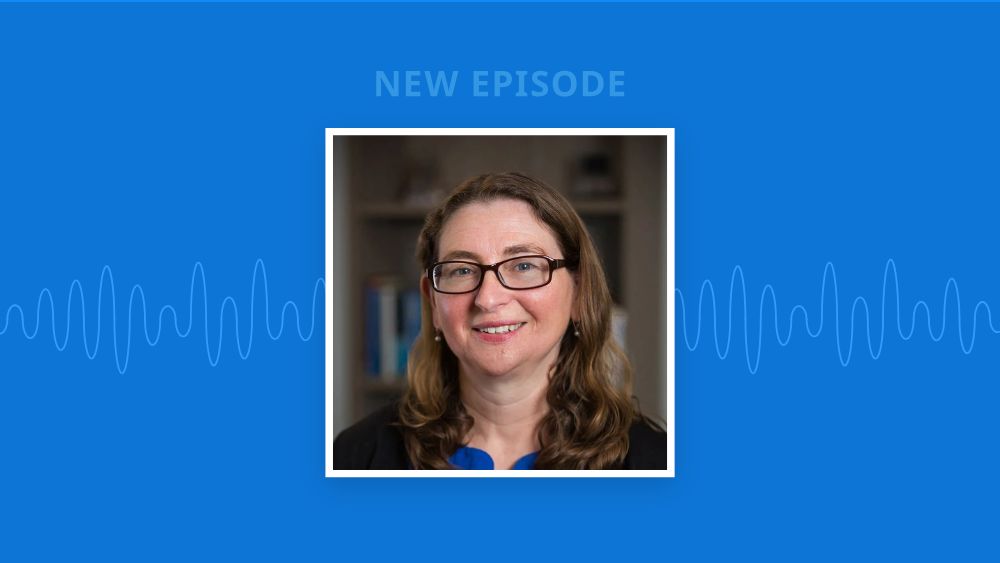
Liz Sessler is president, COO and co-founder of CapShift.
Advisors’ Corner is a content partnership between ImpactAlpha and CapShift. CapShift’s impact investing platform empowers financial and philanthropic institutions — and their clients — to invest in their vision for a better tomorrow. All content is solely for informational purposes and should not be used as the basis for investment decisions.