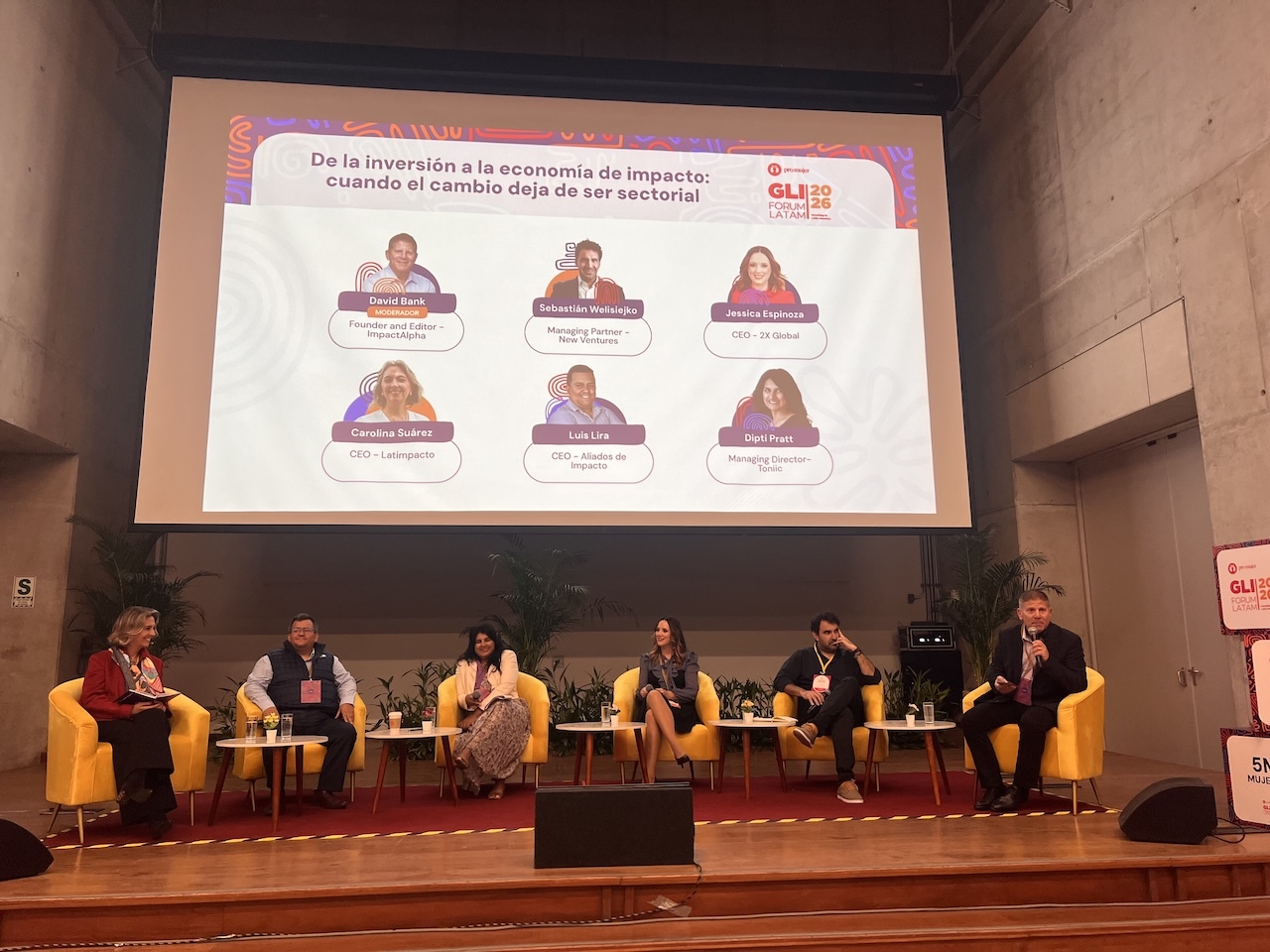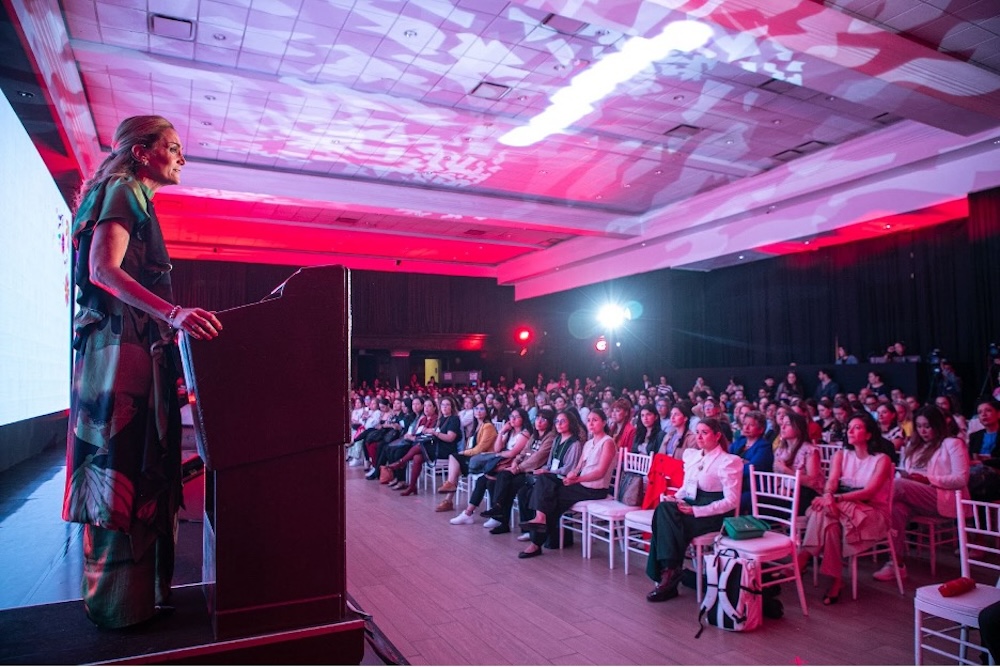
While US and European investors retreat on gender-lens investing, Latin America is holding the line.
“There’s a big window of opportunity for the region,” said Carmen Correa of Pro Mujer at the recent Gender Lens Investing LATAM forum in Mexico City, organized by Pro Mujer. “In other parts of the world, investing with this perspective is becoming more questionable. In Latin America, it’s more welcome.”
Making the case: fintech startups and lenders rolling out new tools to make financial services more accessible and affordable for women.
In Bolivia, BancoSol’s Avanza Mujer initiative blends gender-focused lending with education and digital tools to help women grow their businesses. The program is backed by Bolivia’s first gender-lens social bond, which was issued in 2023.
Avanza Sólido, in southern Mexico, provides loans to rural women for their small businesses and household expenses without requiring traditional forms of collateral.
Also in Mexico, Kiva and Fundación Capital have partnered to offer rural female farmers flexible loans with terms tailored to seasonal income cycles.
“You have to get to know [women’s] needs in order to give them access to the right instrument,” said Correa.
Inclusive fintech
Fintech startups are also working to narrow the gender gap in capital access with digital tools specially tailored to women’s needs.
Alterna in Guatemala is co-developing mobile training tools for rural entrepreneurs. A pilot in El Salvador helps women track their income, improve business skills, and access new markets.
Fundación Capital is deploying a suite of digital tools in the region, including Con Héctor, a chatbot that provides financial education and real-time labor market data.
“Data makes people visible, their context [and] also their experience and knowledge,” said Camila Larrea of Fundación Capital.
At the GLI Forum, Galia Borja, the deputy governor of the Bank of Mexico, called out a $36 billion annual funding gap to achieve “global gender equality.” But the business case is clear, she said, citing that 60% of Latin American firms implementing gender initiatives last year “reported stronger commercial performance.”
Some of the more traditional financial institutions are stepping up. Círculo de Crédito, a Mexican credit bureau, is helping banks move beyond traditional credit risk profiling.
“We started with women selling tamales,” said Daniel Medina. “We’re using their financial behavior to prove creditworthiness.”
Lyssette Bravo, who leads gender equality at the Association of Mexican Banks, emphasized the need for digital solutions that address gaps specific to rural women. The association, which represents more than 50 financial institutions across the country, is encouraging its members to align with inclusive finance goals.
But the need and opportunities expand beyond financial services, she added.
“There’s untapped potential in femtech – apps for menstrual health, fertility, and menopause – and in sexual and reproductive health access. More than 190 million working-age women in Latin America still lack access to these services,” Bravo said. “Rural gender gaps are wider, and digital inclusion can help bridge them.”
LP engagement
Gender-lens innovators in the region still face a shortage of capital. Philanthropies and development finance are the primary sources investing with a focus on women.
“It’s very important for mission-aligned LPs to step up and showcase the opportunity in Latin America,” said Correa.
In 2023, nearly a quarter of gender-lens investors in emerging markets reported changing their investment structures to better support gender outcomes, she noted. Barriers to faster adoption include weak data, narrow definitions of gender impact, and also impact washing.
“The LPs are talking about gender,” said Correa, “but the needle is moving very, very slowly.”