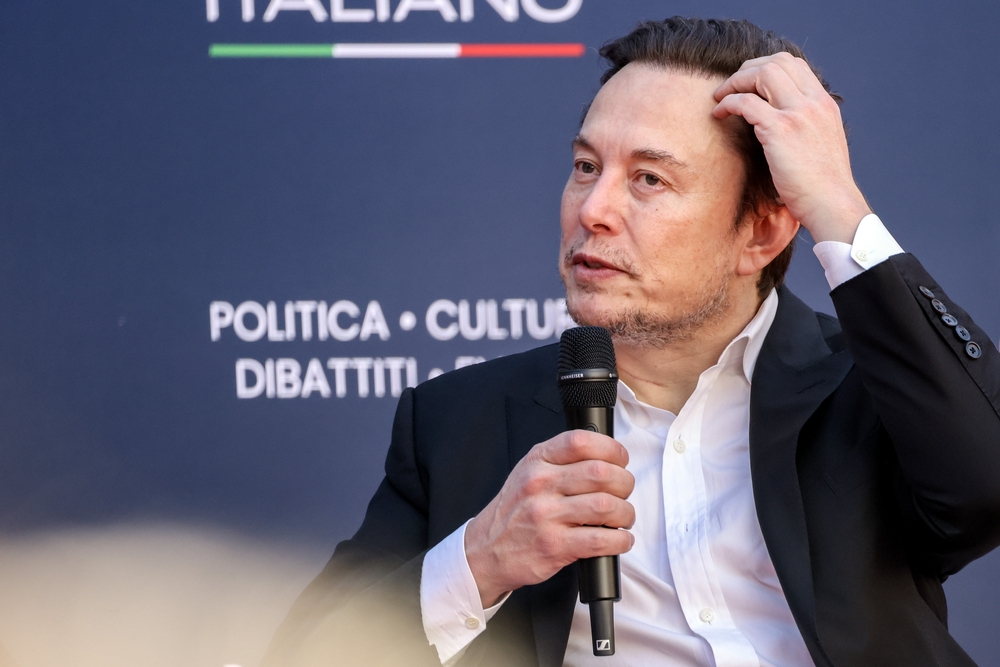

Tesla’s Elon Musk is spending his time in Washington DC, making a show of purging the US government of diversity, equity and inclusion efforts. Back in Austin, the board of Musk’s electric car maker has agreed to push the company, at least gently, in the opposite direction.
“We had a win at Tesla,” Nia Capital’s Kristin Hull told ImpactAlpha.
The Oakland-based impact asset manager has pressed Tesla for years to more closely monitor how it manages its employees, and specifically, to address widespread allegations of racism at its battery “gigafactories.” Nia was set to bring its latest resolution, co-sponsored by Amalgamated Bank and Proxy Impact, to Tesla’s shareholders at the company’s annual general meeting in June.
This month, Tesla’s board reached an agreement with the shareholder advocates, and told the Securities and Exchange Commission that after discussion with management, “the Company has determined to take additional steps to implement Proposal by including additional disclosures on the Compensation Committee’s oversight of the Company’s human capital management practices, including how and how often the Compensation Committee reviews such practices,” in the company’s annual report.
The actual disclosure in the annual report was bland, confirming only that the board’s compensation committee “generally oversees our human capital management strategy, and regularly receives updates and reviews certain management practices related to Tesla’s talent, including how Tesla recruits, develops and retains excellent talent.”
But Hull argues that even such limited transparency lays the groundwork for future accountability, even as government oversight is weakening. President Trump signed an executive order last month that dissolved the Department of Labor’s Office of Federal Contract Compliance Programs, which was auditing Tesla and other companies for potential discrimination. California’s Civil Rights Department in 2022 filed suit against Tesla, claiming Black workers “were subjected to pervasive racial discrimination and harassment.”
“It appears the board is making commitments such that it can now be held accountable for company conduct and efficiencies when it comes to human capital management moving forward,” Hull said. “The board actually has committed to implement what we asked for.”
In return, she said, “We will be withdrawing our resolution.”
Divergence on diversity
The small win is symbolic, coming as it does as the Trump administration, with Musk in the lead, has mounted a concerted assault on DEI efforts across federal agencies and, increasingly, among corporations as well. Musk has cheered on the diversity rollback on his social media platform, X.
Shareholders, along with consumers, advocates, and some companies themselves, are starting to play offense and stand up for diversity as a shared value and business necessity.
“Reactionary companies will receive backlash from consumers when they back away from their goals,” writes Tanay Tatum-Edwards of FreeCap Financial, which assesses how companies implement fair-chance hiring policies. A vision that ties DEI to business objectives, she says, “is a winning strategy.”
Diversity strategies at corporations, investment firms, nonprofits and universities have come under increasing attack since the 2023 US Supreme Court decision curtailing affirmative action in college admissions. Conservative activists from Claremont Institute to Edward Blum to Christopher Rufo have weaponized the amorphous term to try to roll back progress on racial equity, particularly DEI pledges that were made in the aftermath of George Floyd’s murder in Minneapolis in 2020.
Since Trump’s election, corporations including Meta, Walmart, McDonald’s and Target have scaled back their DEI strategies. Last week, Accenture, which takes billions in US government contracts, became the latest company to proactively ditch its diversity goals.
Shareholders too are voicing their concerns. Following Walmart’s retreat, dozens of shareholders representing $266 billion in assets, including Amalgamated Bank and Dominican Sisters of Grand Rapids, hit back at Walmart.
“Seeing the company retreat from its stated values and the business opportunities associated with a diverse and inclusive workforce is very disheartening,” members of the Interfaith Center on Corporate Responsibility wrote in a letter to Walmart CEO Doug McMillon. “Walmart has not offered a financial or business case for this change in policy.”
Target, based in Minneapolis and once a leader in equitable hiring initiatives and inclusive policies, is now facing nationwide 40-day boycott that began Feb. 1. Tatum-Edwards calls Target’s shape shifting, “diversity-washing.”
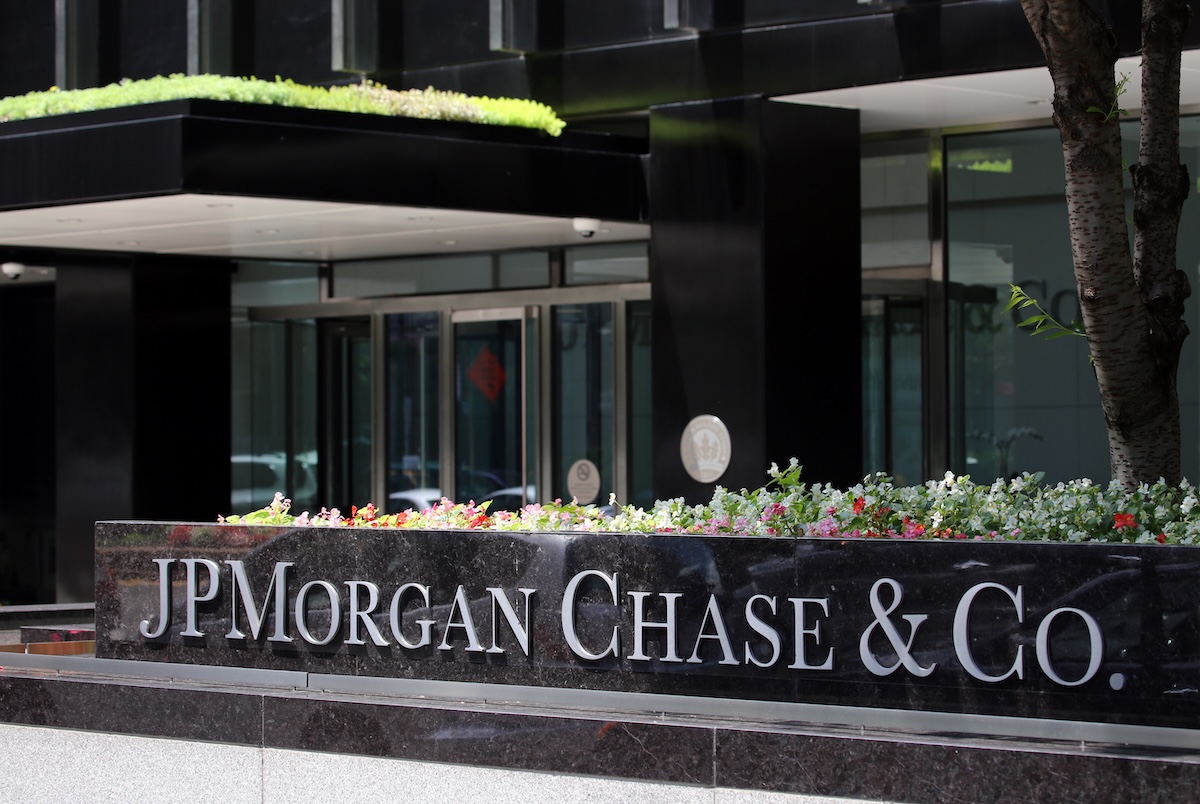
Others, including Apple, Microsoft and JP Morgan Chase, have stood firm on their efforts to proactively engage diverse communities, noting the value to productivity, workplace culture and risk management.
And Costco, with more than double the annual revenues of Target, urged shareholders to oppose a shareholder proposal brought by the National Center for Public Policy Research that challenged the company’s diversity efforts. More than 98% of shareholders opposed the resolution.
Going on offense
Tesla shareholders and Target customers are among a fragmented group of diversity defenders now determined to play offense as well.
In December, Rep. Nikema Williams (D-GA) and Sen. Elizabeth Warren (D-MA), along with eight other House members, sent letters to 20 large corporate pension funds requesting disclosure of the diversity of their asset managers. In asset management, firms led by women and people of color manage less than 1% of $70 trillion global financial assets, a fraction that hasn’t budged in years.
“This is a tactical effort from some prominent members of Congress to say that data matters,” Robert Raben, who as head of the Diverse Asset Managers Initiative, urged on the congressional effort, tells ImpactAlpha.
The lack of diversity is about more than fairness, the lawmakers said. “The limited representation of minority-owned asset management firms restricts the flow of capital to diverse communities, thereby hindering economic growth and opportunity,” they wrote in a letter addressed to Ford CEO Jim Farley that was shared with ImpactAlpha.
Last year, two impact funders, Fearless Fund and Founders First, both settled conservative-led lawsuits that charged that their race-specific granting and lending strategies amounted to racial discrimination against white people. Settling the suits, rather than fighting them, avoided costly legal battles that could have set damaging precedents.
Raben said the Diverse Asset Managers Initiative is trying to raise the heat on firms that appear to be “curating for whiteness.” At the initiative’s request, Southern Poverty Law Center has asked attorneys generals of Louisiana, Florida, and Georgia to investigate and take action against venture capital funds within their states that appear not to fund any women- or Black-led businesses.
“We’re trying to send a message,” says Raben. “If you can’t curate by race, you can’t curate (by race).”
When firms like Walmart pull back on diversity efforts, legal advocates are sending letters warning executives not to violate anti-discrimination laws, he noted. “These tactics are meant to show parallel pressure,” Raben said.
Privately, CEOs, trustees, chief investment officers and others are discussing what can be done in face of the ongoing attacks on diversity in America. The fight feels asymmetric, says Raben.
“The problem is the people on the pro-diversity side are not looking for headlines. They’re looking for diversity,” he says. Anti-diversity advocates, by contrast, “are looking for headlines because it’s an intimidation and bullying strategy.”
And so, Tesla quietly accommodates DEI, as Musk loudly bashes it.