Over the past decade, I’ve sat across from hundreds of people who care deeply about the future of our planet— business leaders, investors, entrepreneurs, nonprofit leaders and scientists. What strikes me most is not how divided they are, but how aligned.
Paths and timelines may differ, but the majority agrees on the destination: a clean, renewable economy that will meet the demands of our growing population and responsibly steward our natural resources. One big sticking point that comes up is always around how the environmental movement should help get us there.
There is a growing perspective – including my own – that the environmental movement needs to rise to the occasion and pivot from its previous punitive approaches to building business coalitions that incentivize sustainable innovations.
The environmental movement was rightfully built, in large part, around opposition to polluters, to bad actors, to industries doing the most damage. That history is legitimate and the victories it produced matter. But the tools that were right for one era are not always the right tools for the current one. The economy of tomorrow doesn’t need to be fought into existence. It needs to be built – faster.
At Builders Vision, the investment and philanthropy platform that I founded and run, we are always talking to partners and leaders who have the best of intentions. We’ve spent years in conversations with corporate executives who want to move faster to implement regenerative and renewable practices into their industries. What they tell us, again and again, is that the obstacle is capital structure, permitting timelines and the gap between a promising technology and its scaled commercial deployment.
The opportunity cost of a purely adversarial posture is enormous. When the environmental community engages industry primarily through scrutiny and legal pressure, we slow down the very actors we need to accelerate. We treat compliance as the ceiling when it should be the floor. And we leave the hard work of market-shaping – the financing structures, the deployment frameworks, the technical assistance that gets technology to scale – to people who would rather say “no, not this,” than offer alternative approaches.
Let’s build instead
Building means convening automakers, grid operators, farmers and local governments around the real barriers to deployment. It means investing to de-risk first-of-a-kind projects. It means celebrating the manufacturer that moves 60% of the way there and working alongside them on the remaining 40%, rather than litigating from the outside. Incremental progress made in genuine partnership with industry will do more for electrification over the next decade than any number of courtroom victories.
Evolving is not new to the environmental movement, but there has been a consistent faction that has always defaulted to taxing, punishing or criticizing those in a position to drive real change. The environmental movement rose to prominence fighting industrial polluters, then it went on to master carbon accounting, and morphed again to pressure corporations through shareholder campaigns.
Our era demands builders, not punishers. People who can build partnerships with corporate leaders, drive investment and research into emerging technologies, work inside the complexity of industrial mechanics, modernize supply chains, and innovate project financing to accelerate the transition. We should hold ourselves to be bigger than wagging our fingers at bad actors. Instead, let’s make space to engage each other, discuss the issues and roll up our sleeves to get where we all know we need to go.
I am encouraged that there is a growing cohort of organizations doing exactly this: working alongside large market movers to shape outcomes rather than simply making demands of them, engaging in the hardest problems in scale and finance rather than simply pressuring and litigating. Their influence is growing because their approach works. The environmental movement would be more powerful than ever if more organizations and funders followed this lead.
None of this is a call to abandon accountability. There will always be a role for enforcement, for legal pressure on actors who cause genuine harm. But accountability and partnership are not opposites, and the movement is most effective when it knows which tool to reach for, and when. The question worth asking is not whether the old playbook was right or wrong. The question is whether it is right for where we are today.
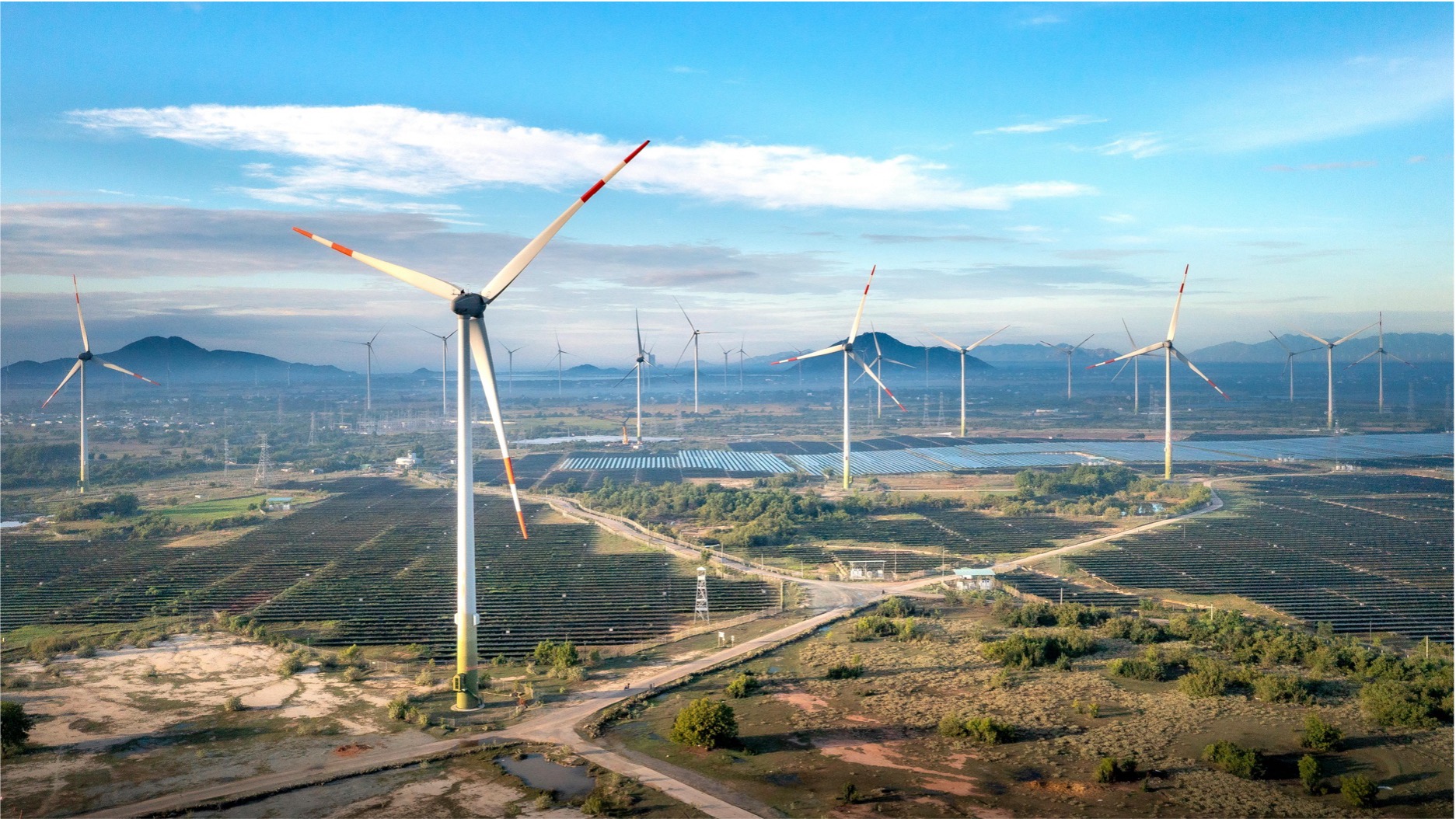
The market for renewable, sustainable resources is real, it is large, and it is moving. The businesses building it are not waiting for permission. The environmental movement can choose to be their partner in that work and, in doing so, shape where it leads.
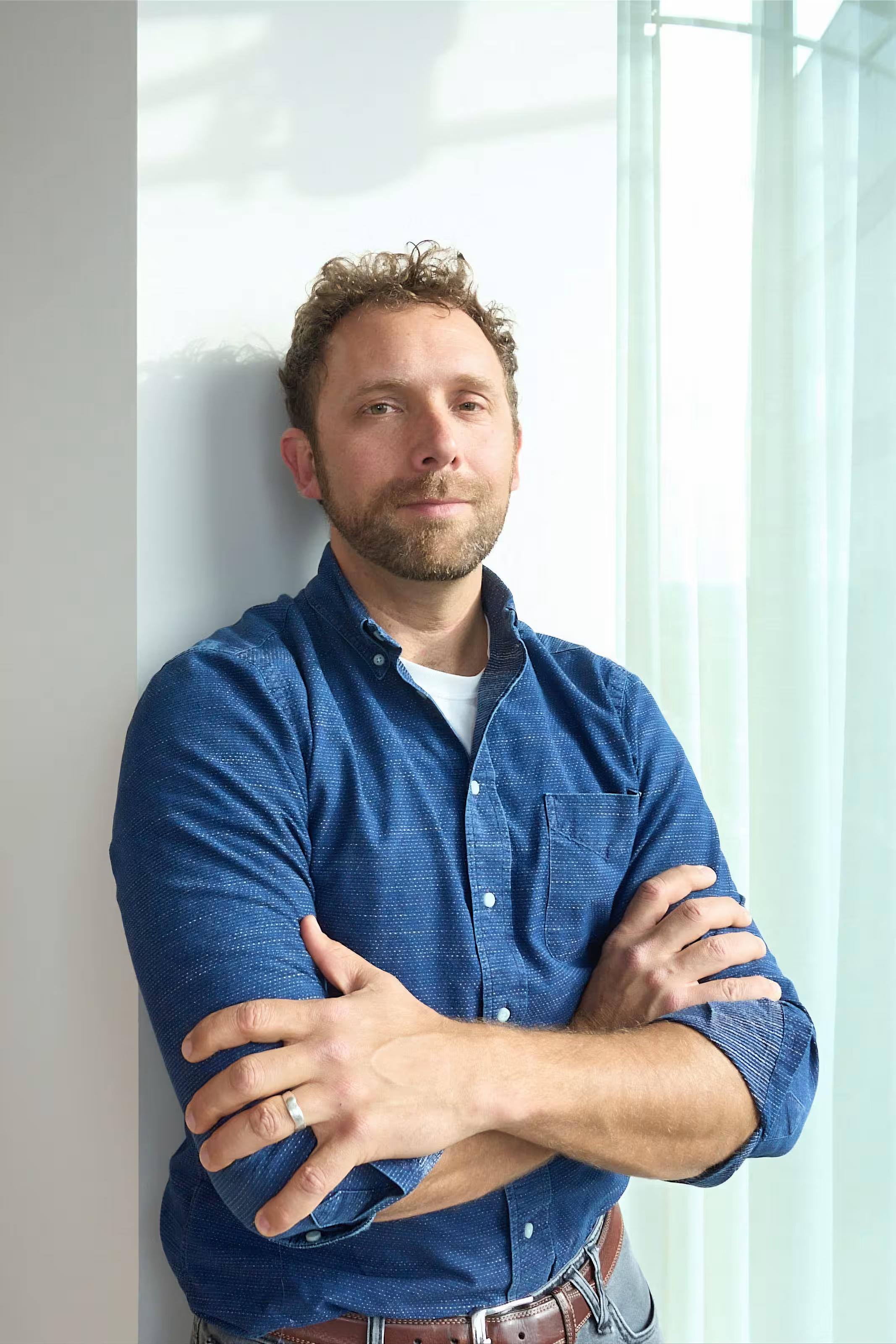
Lukas Walton is the founder and executive chairman of Builders Vision, a Chicago-based investment and philanthropy platform that manages over $15 billion to accelerate a more resilient global economy. He is the founder of S2G Investments, a member of the Walton Family Foundation board and one of TIME’s 100 Most Influential Climate Leaders of 2025.